
Harvest Moon Echoes of Teradea Early Game Tips & Guide
Practical early game tips for Harvest Moon: Echoes of Teradea: stamina, an early horse, animal feeding shortcuts, quests, statues and first-region progress.
Table of Contents
The short answer: survive the on-rails opening, then build a repeatable daily loop instead of chasing every shiny thing. The two habits that pay off fastest are getting a mount so you stop burning stamina on foot, and treating stamina as a budget you spend on permanent progress — crops, tools, restoration materials and map unlocks — before optional grinding. Finish the first village's request list early, because that is what clears the mist and opens the rest of the world.
The first days hold your hand, then let go
A beginner tips video, How to survive the early game in Harvest Moon Echoes of Teradea, describes the opening as cutscenes plus a short tutorial where you have very little freedom, followed by a stretch of loosely guided quests you can tackle in any order. After that, the creator says, the game opens up almost completely — and in their experience the difficulty jumps right when the hand-holding stops.
Grab a mount in your first week
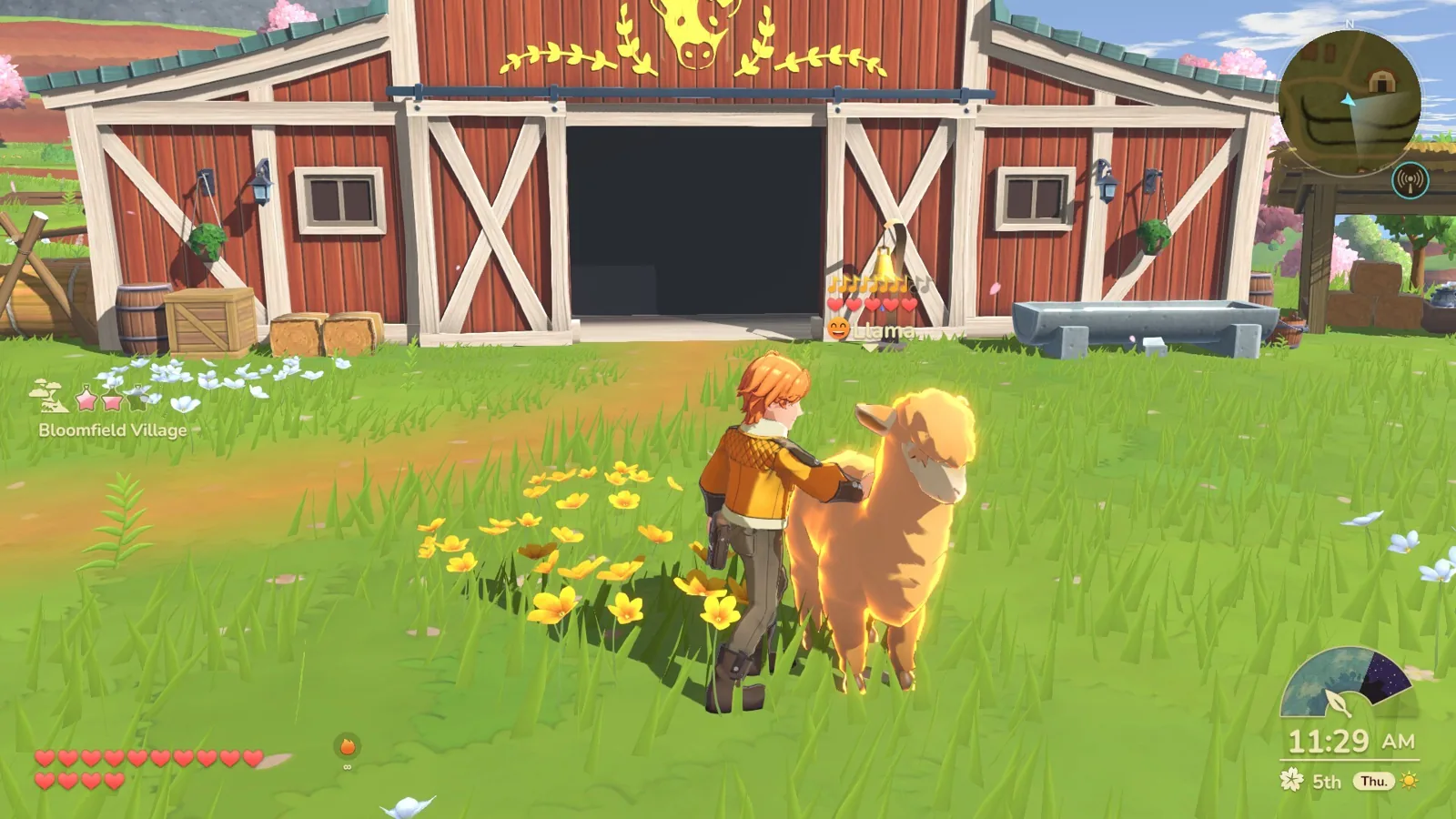
The same video walks through taming a wild horse early: head directly south of Bloomfield Village until you reach a lake, where three horses stand on the far side. Crouch so you don't spook them, walk up slowly and pet one, then feed it — the creator reports that petting and feeding the same horse makes it tameable the next day. Return, approach the same horse crouched, and you can tame it and bring it home for free. The point is stamina: dashing everywhere drains it fast, and a mount removes most of that cost. Treat "around day four" as that player's estimate rather than a fixed unlock.
The LadiesGamers review describes a whistle system that summons your horse, and notes you can tame others and register which one answers the whistle. Whichever route you take to your first mount, the practical result is the same.
Feed animals with foraged food
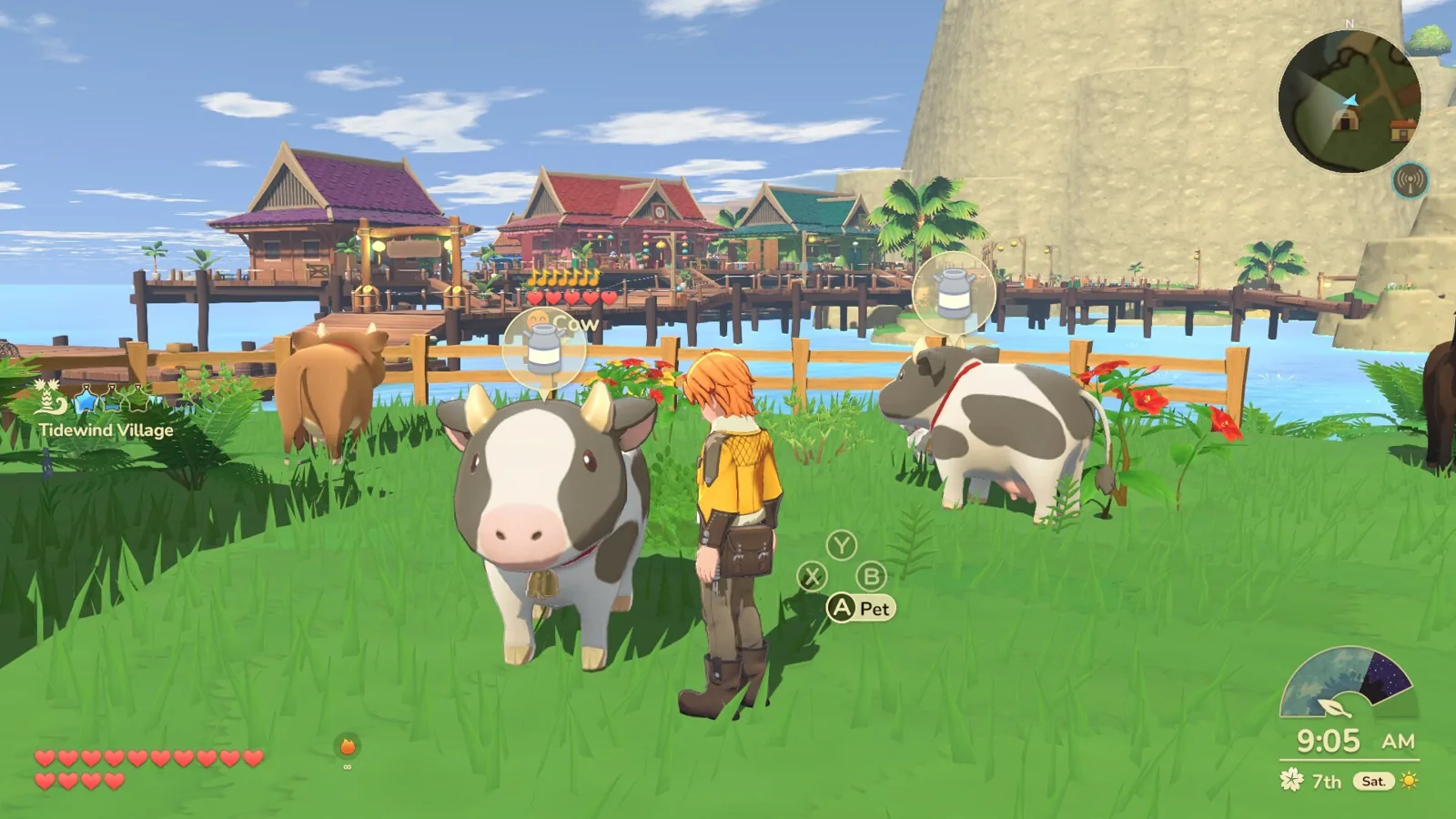
The game hands you a cow and a small bird early. The video creator's biggest quality-of-life tip is to skip the weed-to-feed grind: instead of cutting weeds to run the feed maker, they say you can hand an animal almost any food item you picked up — a mushroom works — and it counts as feeding. They call the weed route a huge waste of time compared with simply feeding what you find.
Grass is the other cheap feed route. Plant grass seeds and the LadiesGamers reviewer notes they need no watering and can be harvested two or three times, with the stable's Feeder machine turning grass or weeds into animal feed and refilling bins automatically. The video creator adds that a sprite on your farm can hand out free grass seeds roughly every third day, so it is worth exploring your own land early.
Build a small, varied animal roster
- Cat: petting it restores stamina, which the video creator rates as one of the best early perks. They estimate a cooldown of about three hours between pets.
- Dog: protects you from wild animals, though the same creator prefers the cat because stamina is scarcer than danger.
- Lamb: wool becomes cloth, which feeds quests and outfit crafting.
- Anything with a favorite food: giving an animal its favorite food triggers a boosted state that improves its skills.
One warning worth internalizing: if you let animals out to graze, they can eat your growing crops. The creator says a fence or keeping animals fed prevents it, so don't make "release the animals" your first farm chore of the day.
Keep a daily loop and spend stamina deliberately
The First Week Plan beginner guide frames early play around routine rather than speed: water crops, care for animals, check requests, gather nearby materials, talk to key villagers, and only explore when you have enough stamina and enough time to get back — teleportation makes that calculation much friendlier. The same video recommends prioritizing crops, tool progression, restoration materials and map unlocks before optional grinding, and warns against selling materials too early: sort items into safe to sell, keep for crafting, keep for gifts, and unknown until you learn their use.
Its first-week checklist is also worth copying: confirm the daily reset, shipping deadlines and shop hours; plant a small test crop before committing all your money to one seed type; track where basic materials spawn; and note which early quests unlock tools, storage, shops, animals, mounts or new routes. In the creator's run, one of the best optional quests was the bag upgrade, which they report expands your inventory from two lines to six — a big jump, though that is their measurement.
Quests, Happilia and your first region unlock
The Outerhaven review explains the loop that drives everything: Happilia is a town happiness resource you build by helping villagers through farming, gathering, crafting, cooking and taming pets, and it is what revives the Spirit Trees and clears the mist blocking new areas. The quest journal tracks three quests at a time — you can set one as the red marker while the other two show blue — and reading the entries matters, because markers often only show where to hand in resources, not where to find them. The reviewer also warns it is easy to sink into comfortable farming and stall your progress.
The LadiesGamers review describes the first unlock in detail: someone in Bloomfield remembers that Lupo, the wolf leader, loved a particular flavoured warm milk, so you bring it to his lair, wake him, and use a canister of Bloomfield Happilia to revive the Spirit Tree of Spring. That makes the area around the village safe to travel again, and the pattern repeats for later regions. You get a nightly update on how full your Happilia bottle is.
Statues, the map and fast travel
Statues are a whole subsystem, and the early confusion is normal. Per The Outerhaven, Harvest Goddess statues come in two main kinds: region unlock statues that glow blue and reveal an area on your map when touched, and power wisp statues that may need a prerequisite — finding a sprite among wolves, taking a selfie, or offering fruit. The wisps they grant are exchanged at a Harvest Goddess statue for extra stamina, inventory space, or better tilling, mining and woodcutting. The reviewer put their early wisps into stamina so they could sell food instead of eating it.
The video creator adds a practical habit: creep up to every statue you meet rather than running at it, because some statues get spooked and refuse you until the next day. They also describe other statue types that pay out immediately (power nuts, with three exchanged for a skill upgrade in their account) and some that ask for a photo, which you'll know you've framed correctly when a special symbol appears. And check your map often: in their experience it records every animal you've seen, every seed you've picked up and everything forageable, so a horse you pet once can be found again later.
Farming, tools and wild animals
A few mechanics that make the early game smoother, from both reviews: tool selection is automatic, so a tile offers only the sensible next action (till, sow, water, fertilise), and trees work the same way. Seeds come from general stores or from wisps you meet in the wild, which hand out free seeds. Repeatedly growing crops on the same plot can hurt soil quality, while letting animals graze grass helps restore it, and the Soilbot tells you how healthy a field is. Storage is accessible automatically while cooking and crafting, and a tent lets you camp in the wild instead of trekking home.
There is no combat. Wild animals intimidate you, your health drains and you can pass out — so distract them with a food item, or approach in stealth and tame them by petting and feeding. The video creator's field routine is to carry food, drop it on the ground, then pet the animal; backing away or riding past on a mount also works.
Versions, price and performance
The official Steam page lists the game at $49.99 with a release date of Oct 14, 2026, marks it Steam Deck Verified, and offers the Mooberry Cow Pack free with purchase between 10/15/2026 and 11/11/2026. That pack matters for early money if you have it: the beginner video says the free cow's milk sells for roughly three times standard milk, though it also takes an extra barn slot.
Platforms beyond Steam come from launch-window reviews rather than the store page: The Outerhaven lists PlayStation 5, Xbox Series X|S, Nintendo Switch, Nintendo Switch 2 and PC, and LadiesGamers lists the same spread. On performance, The Outerhaven's reviewer played the Switch 2 version and reported frame drops, stutter and weather effects slowing the game down, recommending PC or a more powerful console if you are still choosing. LadiesGamers mentions a slow camera and occasionally jittery flow on the farm. Those are launch impressions from October 2026, not a verdict on any later patches.
Finally, the most repeated piece of advice from both videos: look around constantly. Hidden areas, statues and forageables turn up in places you are sure you already cleared, and the map only fills in what you have actually found.
Related Articles
Continue Reading
Harvest Moon Echoes of Teradea Early Money Making Guide
Cook forage like mushrooms and sell milk for early income in Harvest Moon: Echoes of Teradea, plus bag, plot and Item Search tips.
Beginner Guide
A practical early-game orientation for Harvest Moon: Echoes of Teradea — protagonist choice, soil, stamina, mounts and Power Statue puzzles.
Harvest Moon Echoes of Teradea Carol’s Favor Guide
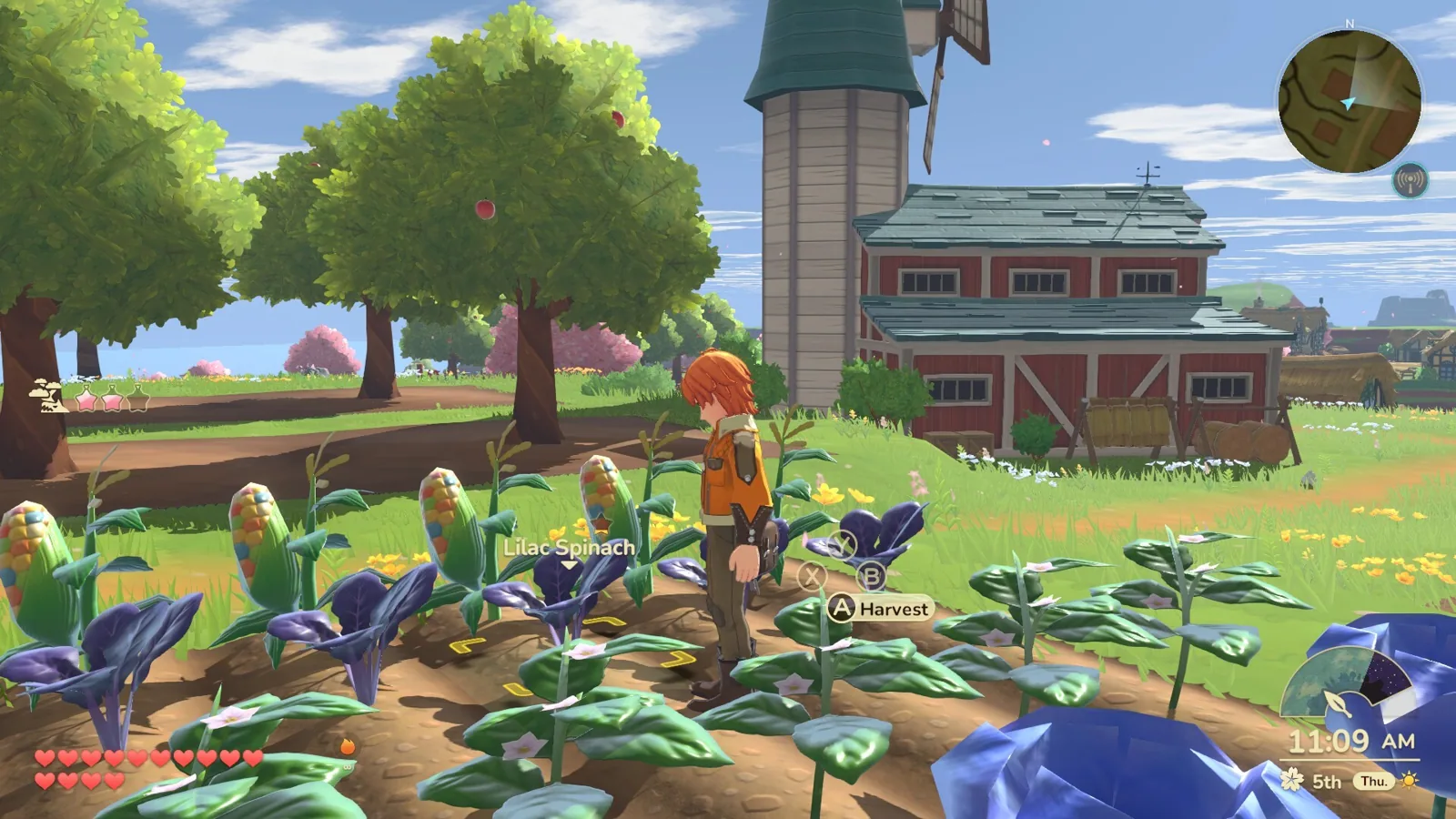
How to finish Carol's favor in Harvest Moon: Echoes of Teradea: grow three wheat on your farm, hand them over, and collect tea leaf seeds.
Harvest Moon Echoes of Teradea How to Fish: Rod Guide
How to buy your first fishing rod and cast for crabs, crayfish and fish in Echoes of Teradea, based on early player reports.
Harvest Moon Echoes of Teradea Characters: Romance Guide
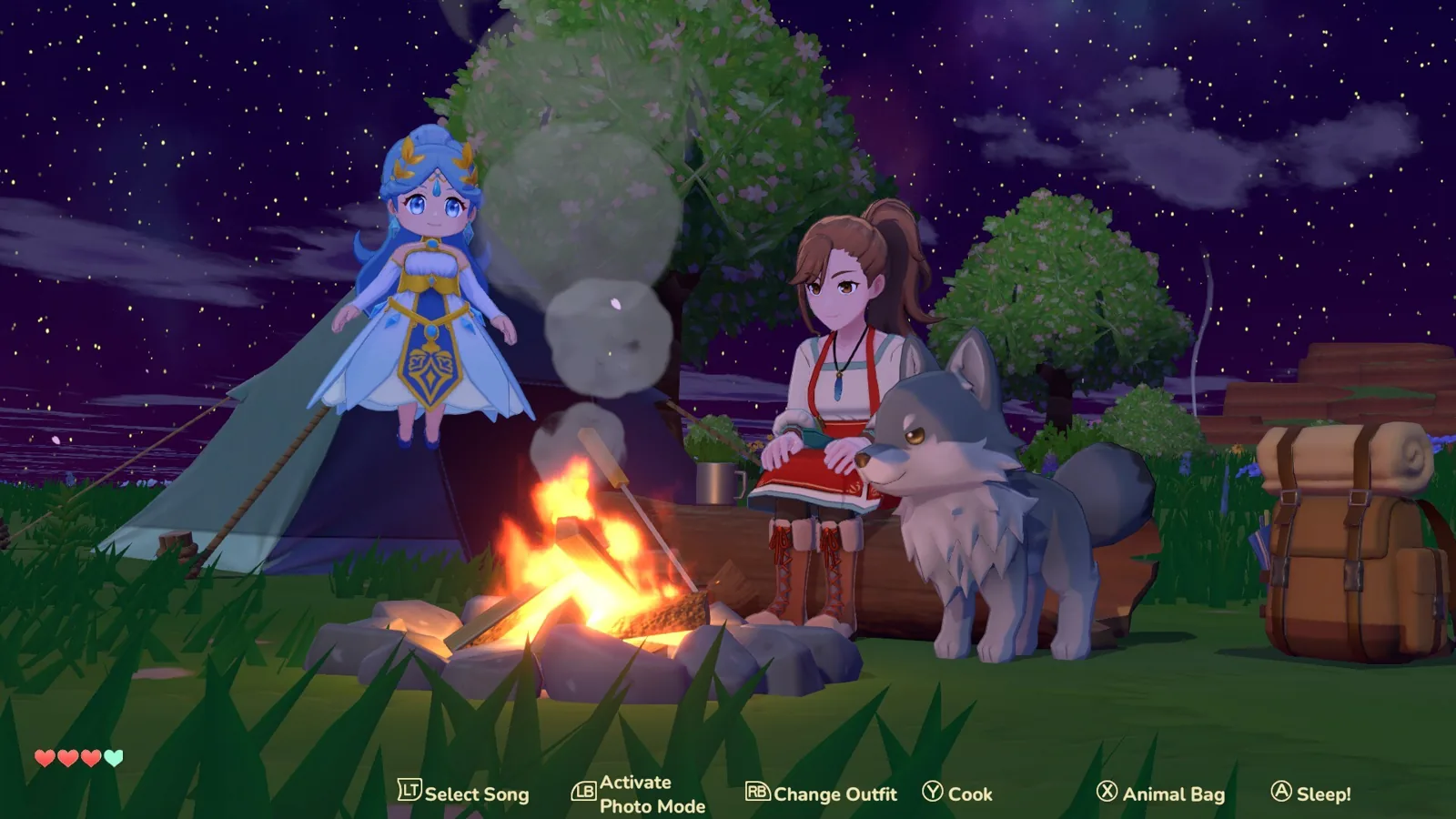
Who you can marry in Harvest Moon: Echoes of Teradea — all ten romance candidates, the two protagonists, and what early players say about the cast.
Harvest Moon Echoes of Teradea Collector’s Edition Guide
What Natsume's Harvest Moon: Echoes of Teradea Special Collector's Edition includes, its 500-unit run, PANAX Store pre-orders and what's not announced.